

Smart Care: Bridging the UK Care Gap through Integrated Logistics & Support Orchestration
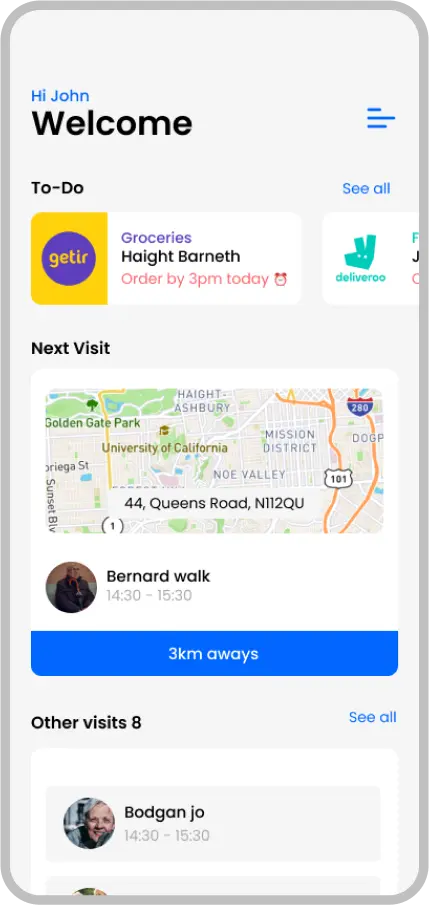 Homepage
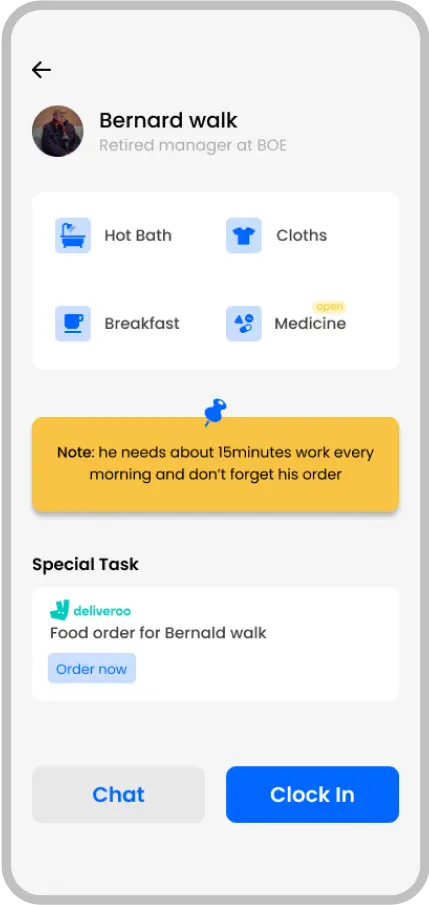 Info Screen
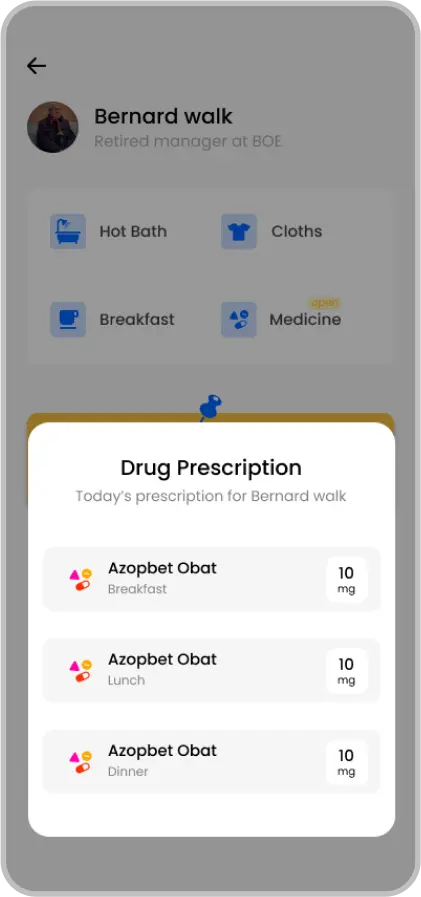 Medicines
 Task Page
Contribution
Founding UXUI Designer
Credit
John
CEO
Status
Product casestudy
Year
2023
Executive Summary
The UK is facing a "care tsunami": a rapidly aging population coupled with a severe shortage of professional carers. Smart Care is a mobile platform designed to empower carers by automating the "logistical admin" of care. By integrating third-party services like Uber and Deliveroo, the app reduces the operational burden on carers, allowing them to focus on high-quality patient interaction while managing more clients effectively.
The Challenge
With over 18.5 million people in the UK projected to be over 60 by 2025, the NHS and social care sectors are overwhelmed.
The Problem: Carers spend a disproportionate amount of time on manual coordination—booking transport, shopping for groceries, and managing household tasks—rather than actual caregiving.
The Impact: Severe burnout, staff shortages, and "bed blocking," where patients cannot be discharged from hospitals because there is no logistical support at home.
Solution
Instead of building another simple scheduling tool, I designed a logistics-first ecosystem. I identified that the most effective way to "scale" a carer's impact is to give them the tools to delegate secondary tasks.
Key Innovation: 3rd-Party API Integration I designed a seamless interface that allows Carers and Care Home Admins to:
Logistics: Book Uber for patient transport to medical checkups.
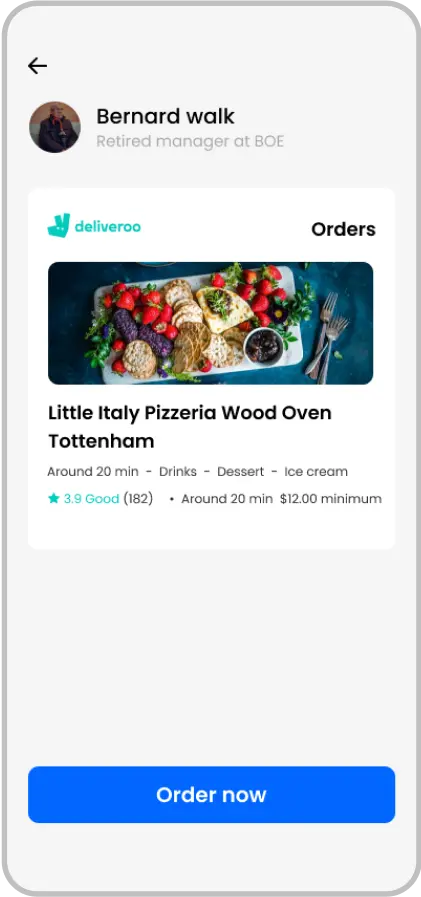
Nutrition: Order specialized meals via Deliveroo.
Essentials: Rapidly restock groceries and medical supplies through Getir.
Maintenance: Delegate household chores via Airtasker.
The Result: By turning the app into a central hub for these services, a single carer can manage a larger caseload without compromising the quality of personalized care.
Research & Methodology: Lean & Empathetic
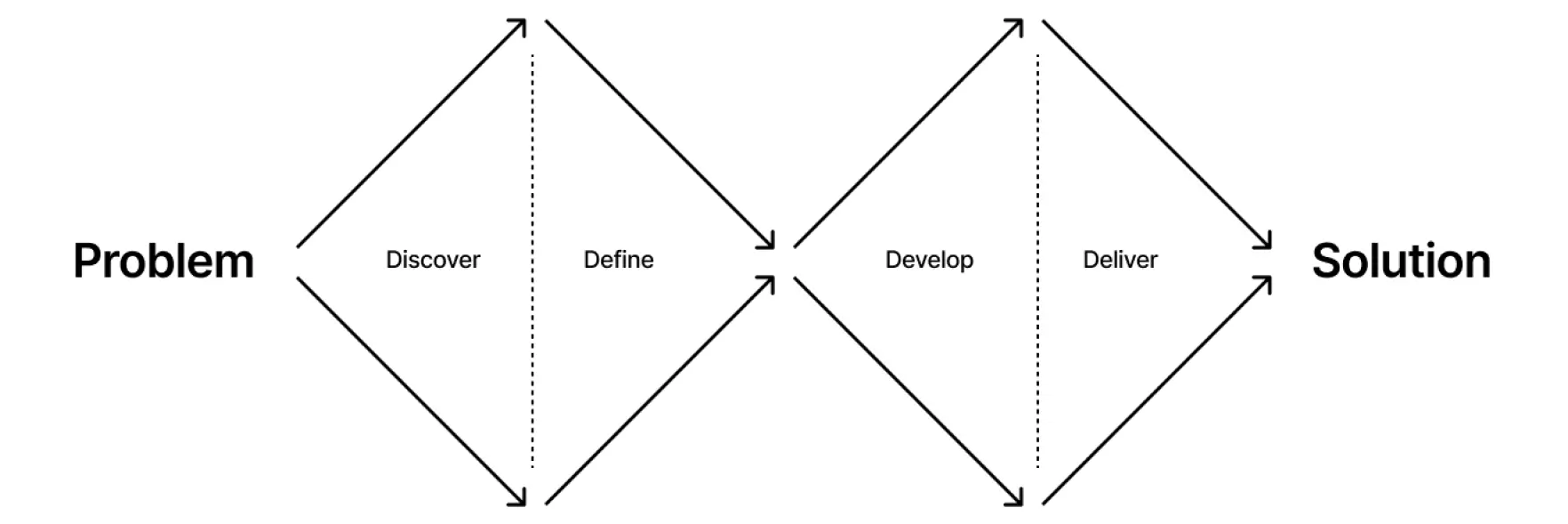
I utilized a Lean UX / Double Diamond approach to ensure the product was grounded in real-world necessity.
Discovery: Conducted foundational research into NHS trends and ONS data. I focused on the "Time-Poverty" of carers, identifying that logistical friction was the #1 cause of daily stress.
Competitive Analysis: Found that most existing tools (like scheduling apps) were "passive"—they tracked time but didn't solve the tasks within that time. Smart Care was designed to be "active."
Synthesis: Developed Personas for both the time-poor professional carer and the vulnerable LTC (Long Term Condition) patient to map the emotional high-points and friction-points of the care journey.
.
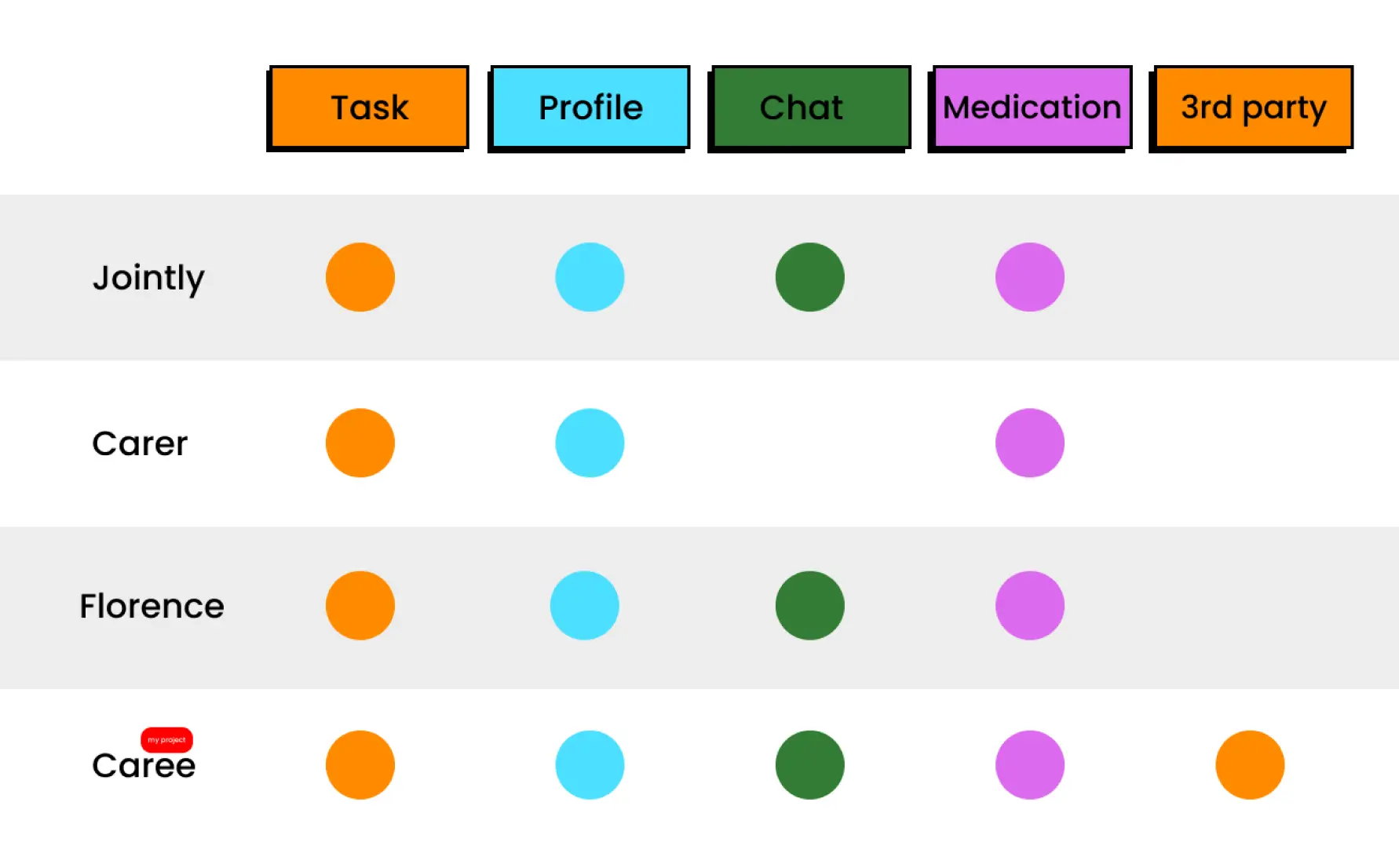
Competitive Analysis : There are a variety of healthcare apps for both scheduling and consultation present currently but many only focus on time schedule for the carer and has give little or no information about the patient/client. * see appendix A for competitive analysis diagram. User Interview and Survey I decided to uses online survey and share with health care assistance because many might feel uncomfortable in providing information in person. I decided to streamline the survey question into 6 so as too minimize or eliminate information about the vulnerable once. As at the time of this writeup, I have not gotten ethics approval from the university and no data was collected
.
Define : The knowledge accumulated from the disclosure stage can assist with characterising the test another way. User personals, Empathy map , how to transform problem statement pain point to gain point. Develop : This stage helps to give different answers to the clearly defined problem, seeking inspiration from elsewhere and co-designing with a range of different people. This stage include Card sorting , Information Architecture and User flow, Low fidelity wireframe.
Deliver : This part involves creating high fidelity and Involves testing out different solutions at small- scale, rejecting those that will not work and improving the ones that will
Requirement Specification
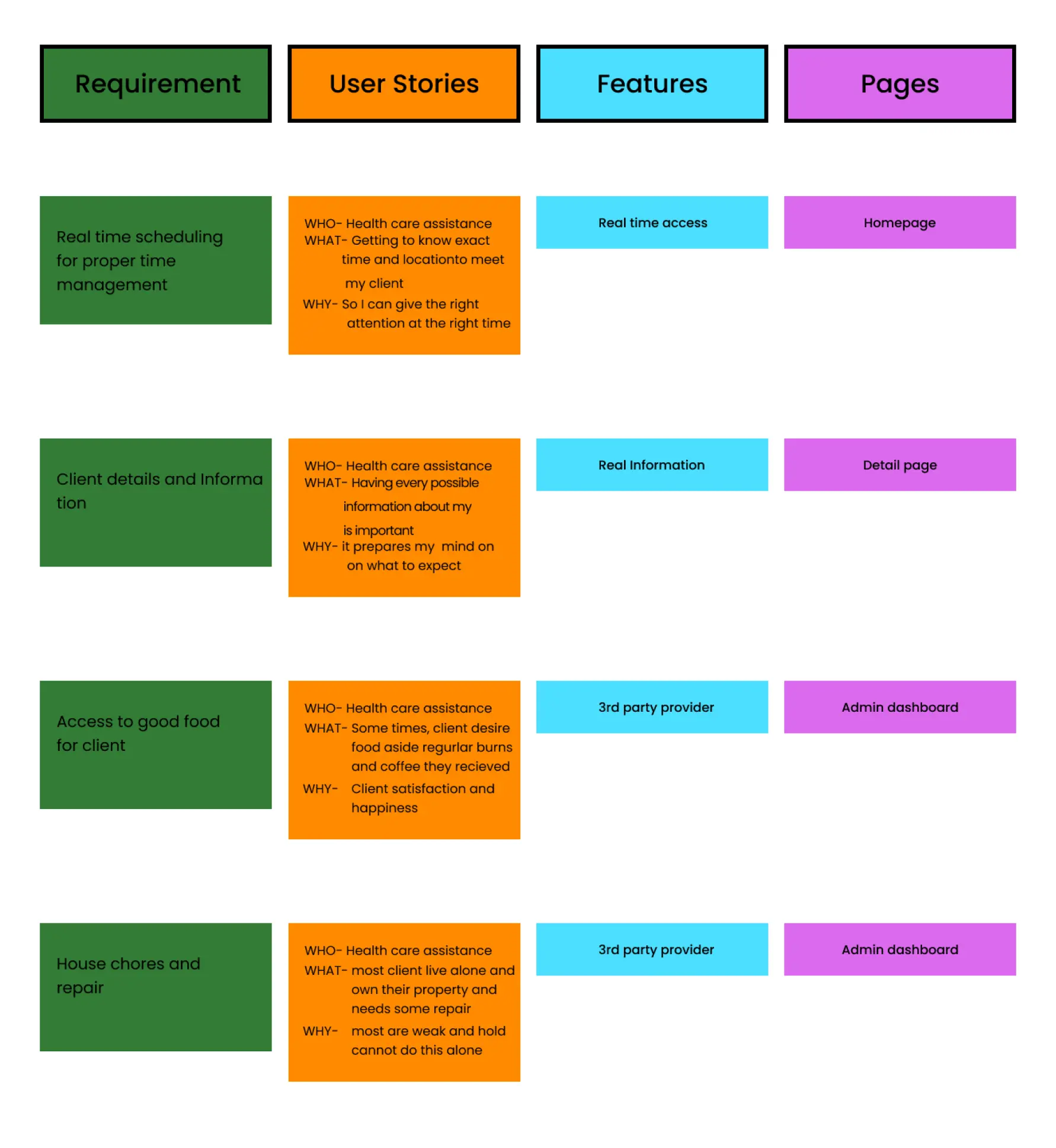
The Requirement specifications were used to outline possible features of pages. It was derived from the user stories.
.
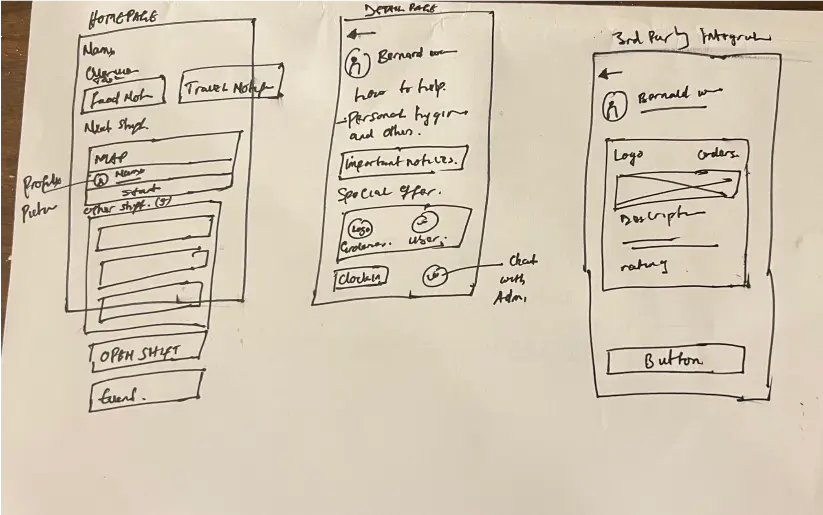
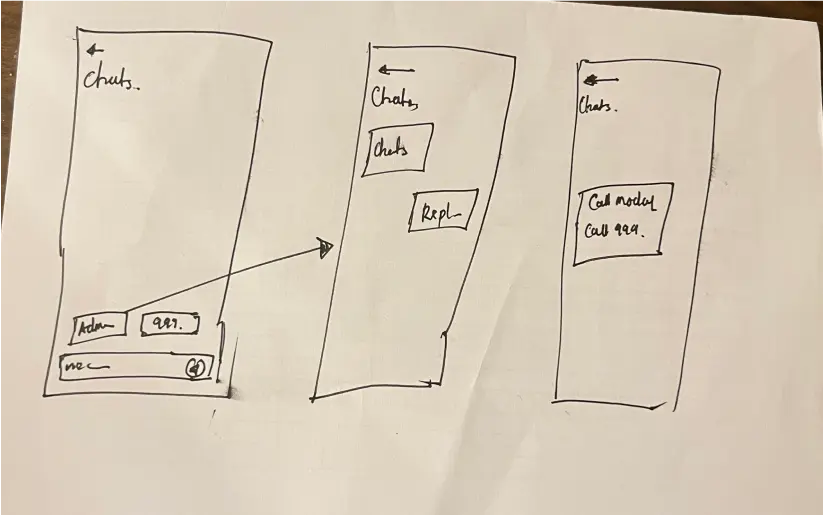
Sketches / Lo-fi Ideation
At the early stage of my iterations, I resulted to easily disposable sketches using white paper with black pen to generate various design ideas for each page. This allowed easy design iterations of various page structure.
High-Fidelity
The high-fidelity design of the Smart Care Mobile App brings our vision to life with a sleek, intuitive interface that priorities user experience. By incorporating user feedback and extensive testing, we ensured that the app is both functional and aesthetically pleasing. Key features like personalised care plans, real-time health monitoring, and seamless communication tools are designed to be easily accessible and user-friendly.
 Splash
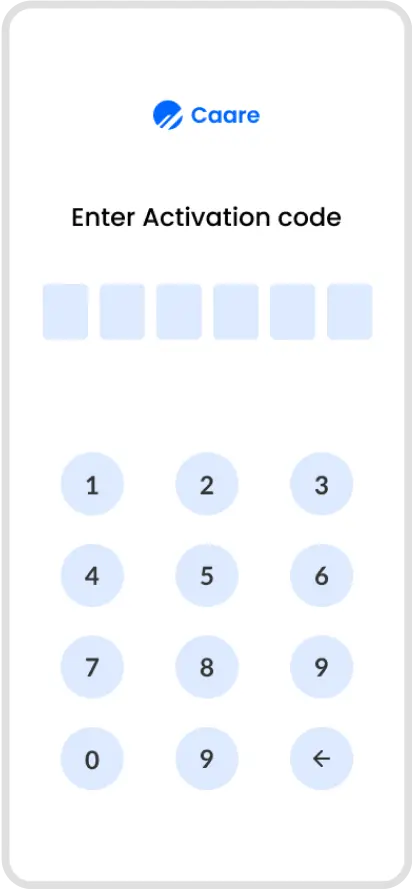 Activation Screen
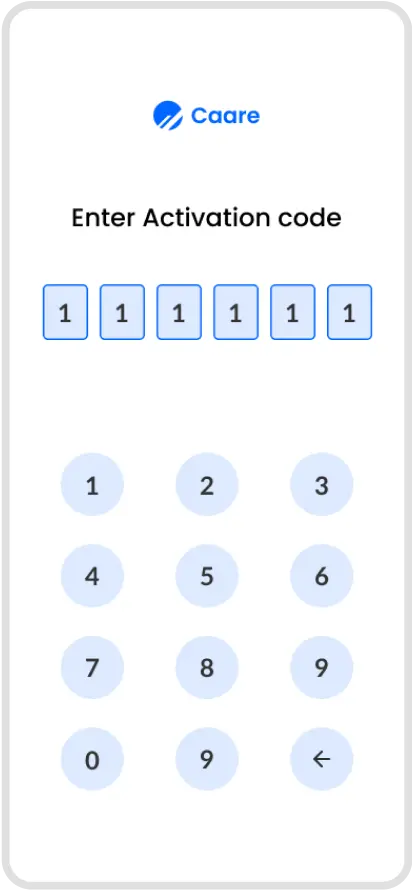 Activation Active
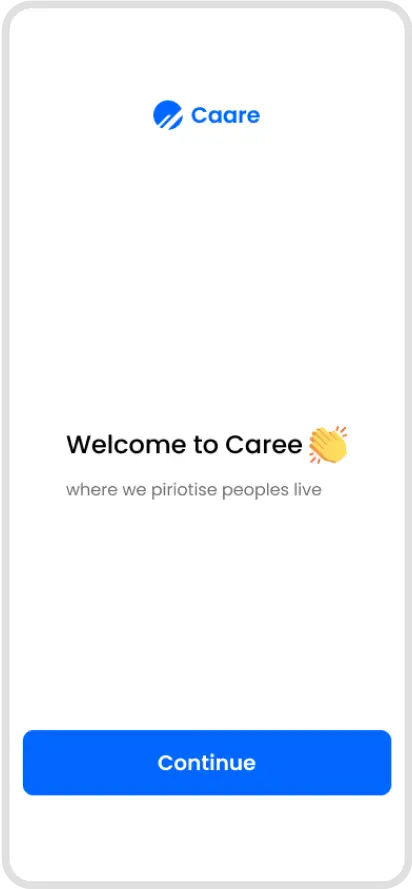 Welcome PageHomepageInfo ScreenMedicinesTask Page
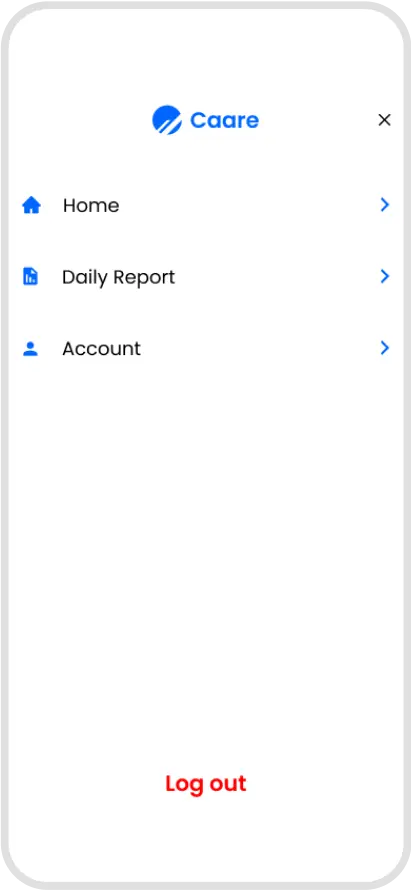 Profile Screen
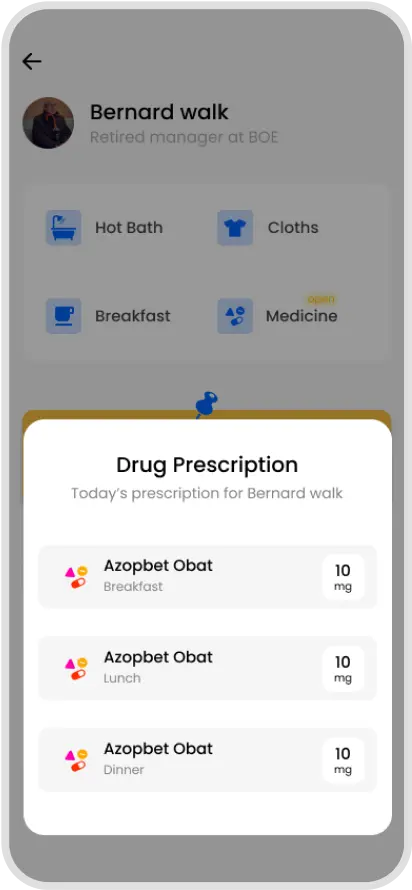 Medicine Modal
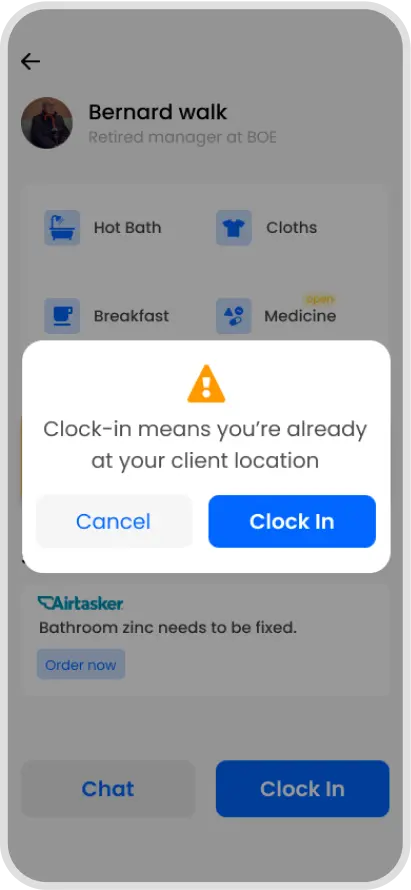 Clock In Modal
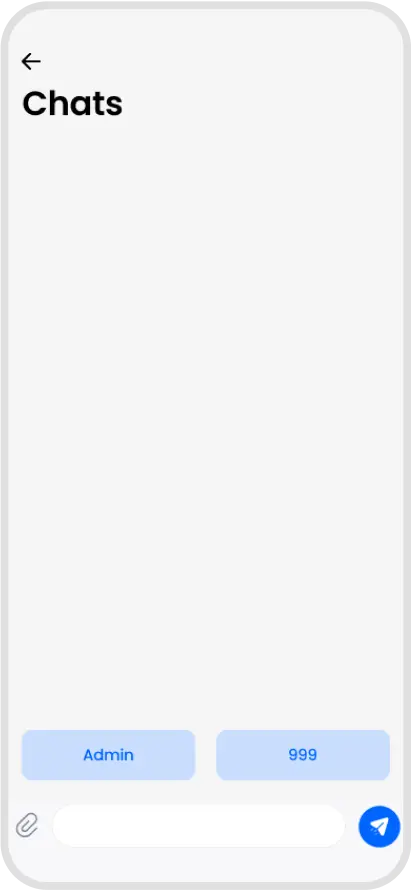 Chat Screen
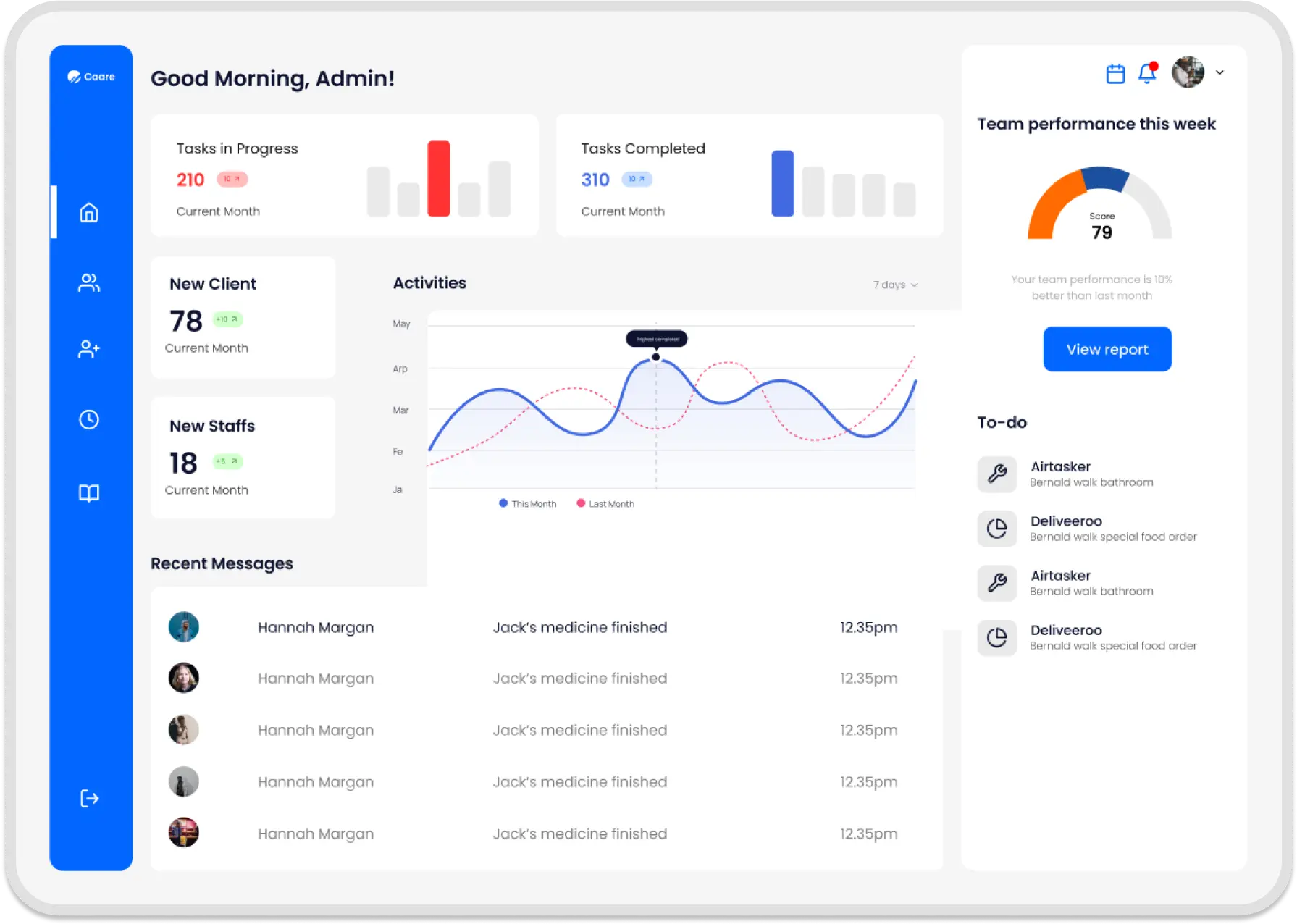 dashboard
Testing Methodology: The Pilot Phase
I conducted a high-fidelity prototype testing phase with 30 professional carers across London and the South East. The goal was to validate the "Orchestration" model—specifically, if integrating third-party services (Uber, Getir, Deliveroo) actually reduced the time spent on administrative tasks.
Key Metrics Tracked:
- Task Success Rate: Completion of a multi-service booking (e.g., ordering groceries + booking a medical taxi).
- Time-on-Task: Comparing the digital flow to the traditional manual method (phone calls/switching apps).
- SUS (System Usability Scale): A post-test survey to measure perceived ease of use.
Detailed Results: Moving the Needle
The results confirmed that shifting the carer's role from "executor" to "orchestrator" significantly optimized their workday.
1. Efficiency Gains: The "30-Minute Reclaim"
Metric: Average time to coordinate patient logistics (food, transport, supplies) dropped from 45 minutes (using multiple apps/phone calls) to 12 minutes within the Smart Care dashboard.
Impact: This reclaims over 30 minutes per shift, which carers reported would be redirected to direct patient social interaction—the part of the job that prevents burnout.
2. Cognitive Load Reduction
Metric: 92% of participants successfully completed a complex "bundled" task (ordering a prescription + booking a Getir delivery) on the first attempt without guidance.
Insight: Carers highlighted that having a "Single Source of Truth" for patient needs reduced the anxiety of forgetting a critical logistical task.
3. High Satisfaction (SUS Score)
Metric: The app achieved an average SUS score of 84/100, placing it in the "Excellent" category.
Qualitative Feedback: "It feels like I finally have an assistant. I can handle the 'life' stuff for my patient while I'm still in the room with them, rather than staying late to make calls." — Senior Carer, Pilot Participant.
Business & Social Impact
The impact of these results goes beyond just a "nice app"; it addresses the core business challenges KareHero is tackling:
- For Care Homes (Retention): Reduced administrative burnout directly correlates to lower staff turnover—one of the biggest costs in the care sector.
- For Patients (Quality of Care): By automating logistics, the "Human-to-Human" time increased by ~20% per visit, significantly improving the patient experience.
- For the Ecosystem (Scalability): The data proved that with the right orchestration tools, a single carer could manage a 15% higher caseload without a decrease in care quality or an increase in stress.
Related Case Studies
View project

View project